Hiking Mount Jo: Fall Foliage in the Adirondacks
This past weekend, we made the drive from Boston to the Adirondacks to catch the peak fall foliage in the High Peaks Wilderness. Our goal was to hike Mount Jo, a relatively short but rugged trail rising above Heart Lake that offers one of the best vantage points for leaf-peeping in New York. While the main draw was witnessing the autumn canopy at its absolute peak, as a geology nerd, I was equally pulled by the ancient mountains we’d be walking on. The trip ended up being a study in extremes - a chance to stand at the exact intersection of a fleeting, weeks-long biological cycle and the slow, billion-year-old geological power that is still actively pushing these mountains up even today.
We had left an 80-degree heatwave behind in Massachusetts and drove up to Saranac Lake, finally pulling in around 10 PM. After a good night’s sleep, we took our time and grabbed brunch at a local cafe before heading out to Mount Jo.
By the time we made it to the edge of the High Peaks Wilderness, it was a crisp 50ºF (10ºC), and the whole place smelled faintly of damp wood and drying leaves. The main parking lot at the Adirondack Loj was completely full, so we had to park two miles downhill near the famous Meadows Lane. Just walking up the road to the trailhead felt like a hike of its own before we even started climbing.
We took the steeper Short Trail for the ascent. Trudging up through the forest, the fall foliage was actually surprisingly subdued. Looking up from the forest floor, the leaves seemed washed out and mostly dark. Perhaps they were back-lit by the midday sun, or maybe we were just too focused on the strenuous climb to really notice the colors.
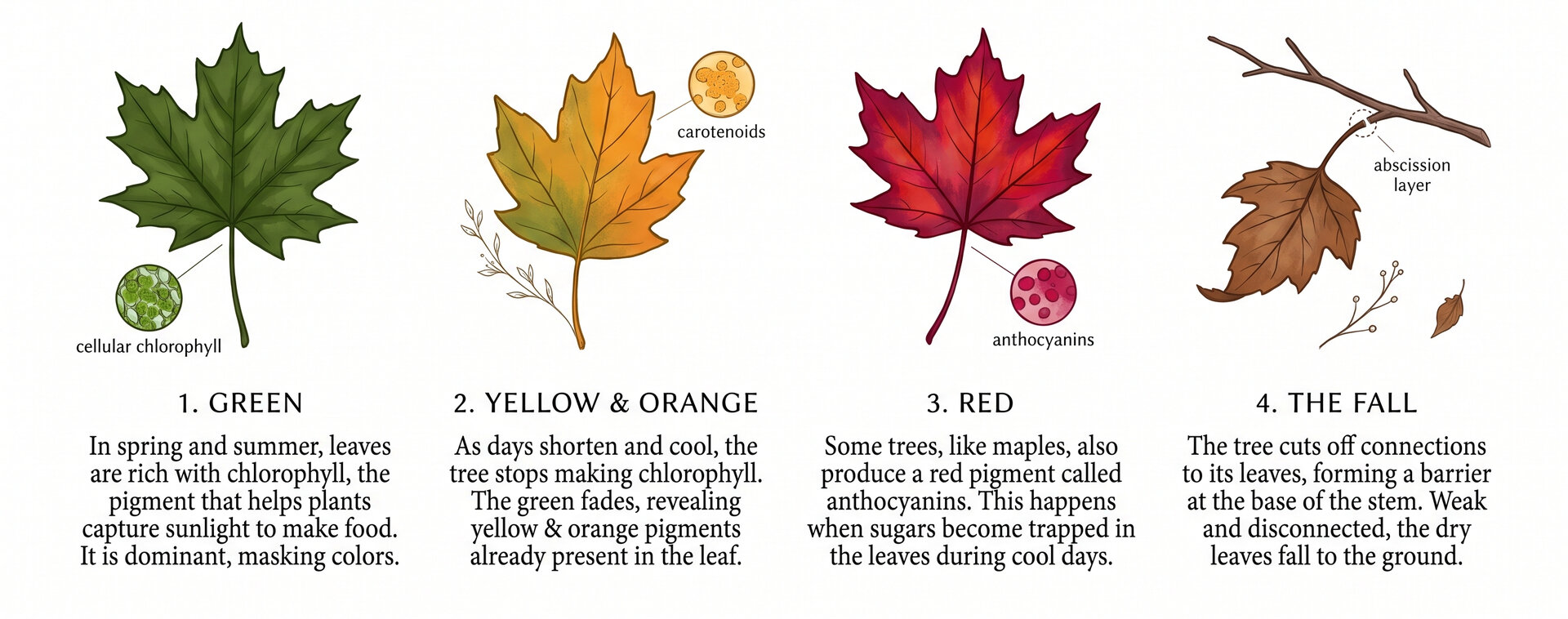
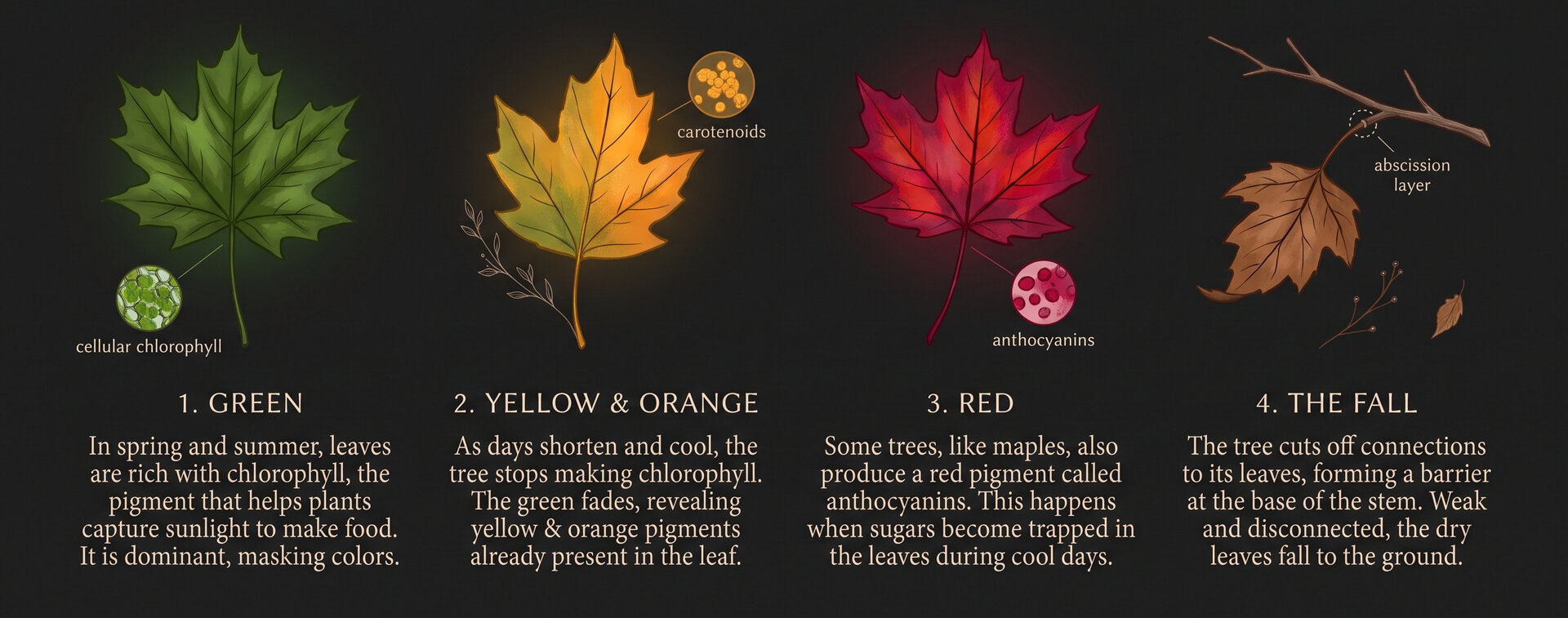
The science behind these changing colors is quite simple but fascinating. We all know chlorophyll - the pigment that gives a leaf its green color and helps the plant get energy from the sun. As daylight hours shrink and the air cools, trees stop producing it. Once that dominant green fades away, it reveals the yellow and orange carotenoids that were actually hiding in the leaves all summer. Carotenoids are always there, and they are exactly what gives carrots their orange color! At the same time, the trees actively synthesize brilliant red anthocyanins, which act as a chemical sunscreen to protect the leaf while the tree pulls vital nutrients back into its branches for winter.
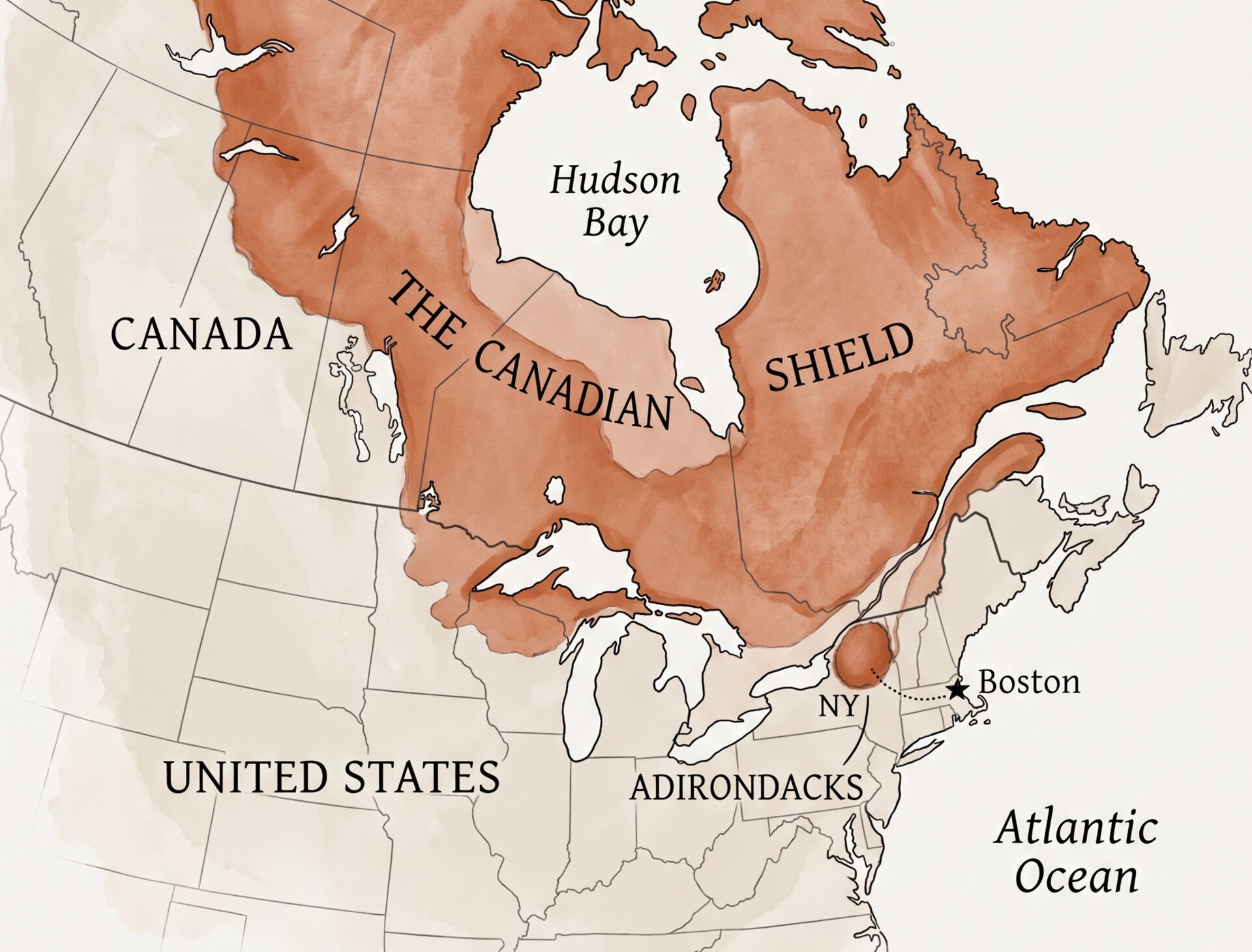
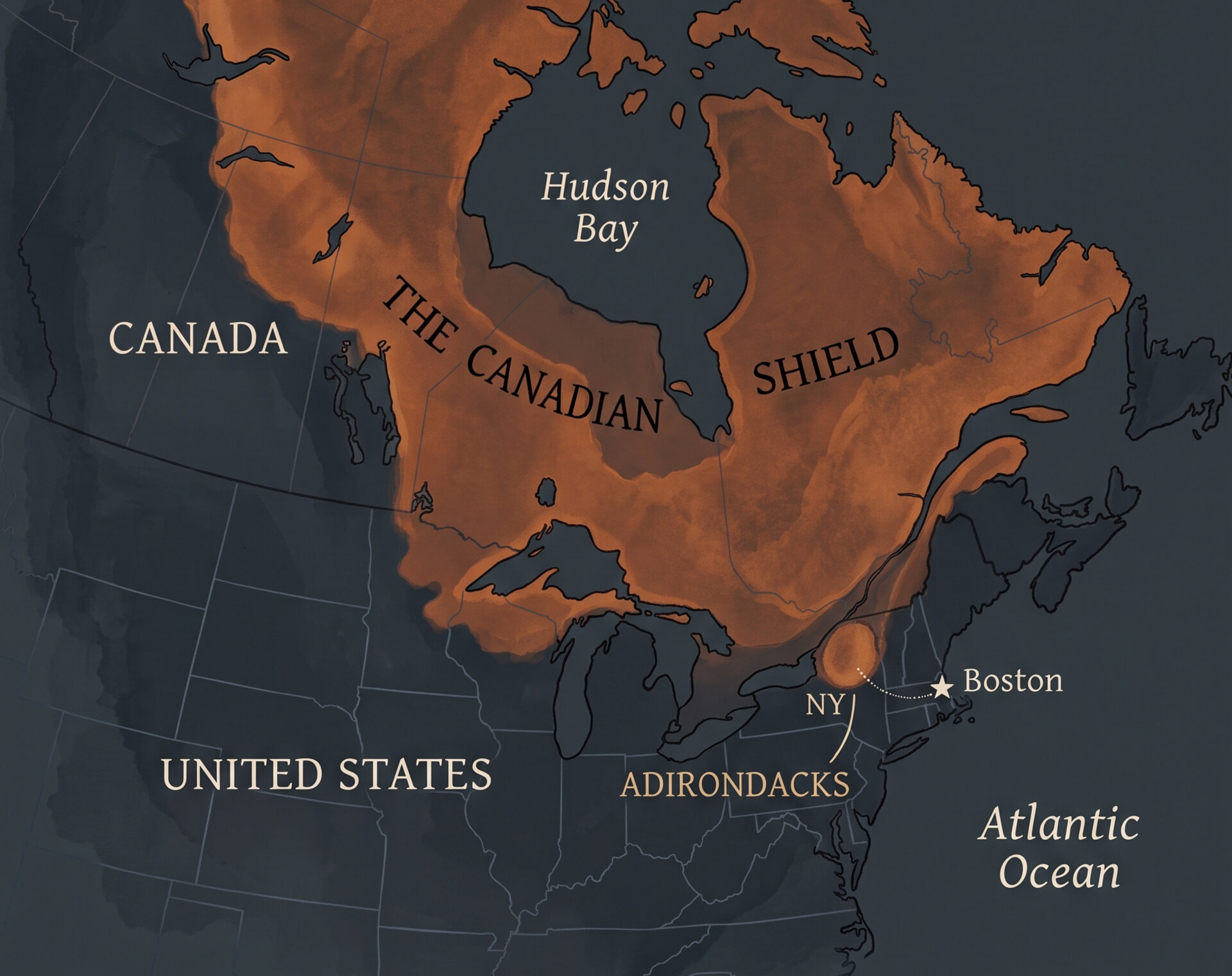
Mount Jo’s Short Trail demands your attention, keeping your eyes trained on the ancient, jagged stone beneath your hiking shoes. As a geology nerd, feeling that rock is just as compelling as looking at the trees. You might look at a map and assume the Adirondacks are just an extension of the Appalachians or the Catskills, but they share no geological relation. They are an anomaly … a southern spur of the Canadian Shield, a billion-year-old swath of the Earth’s original crust thrust into upstate New York.
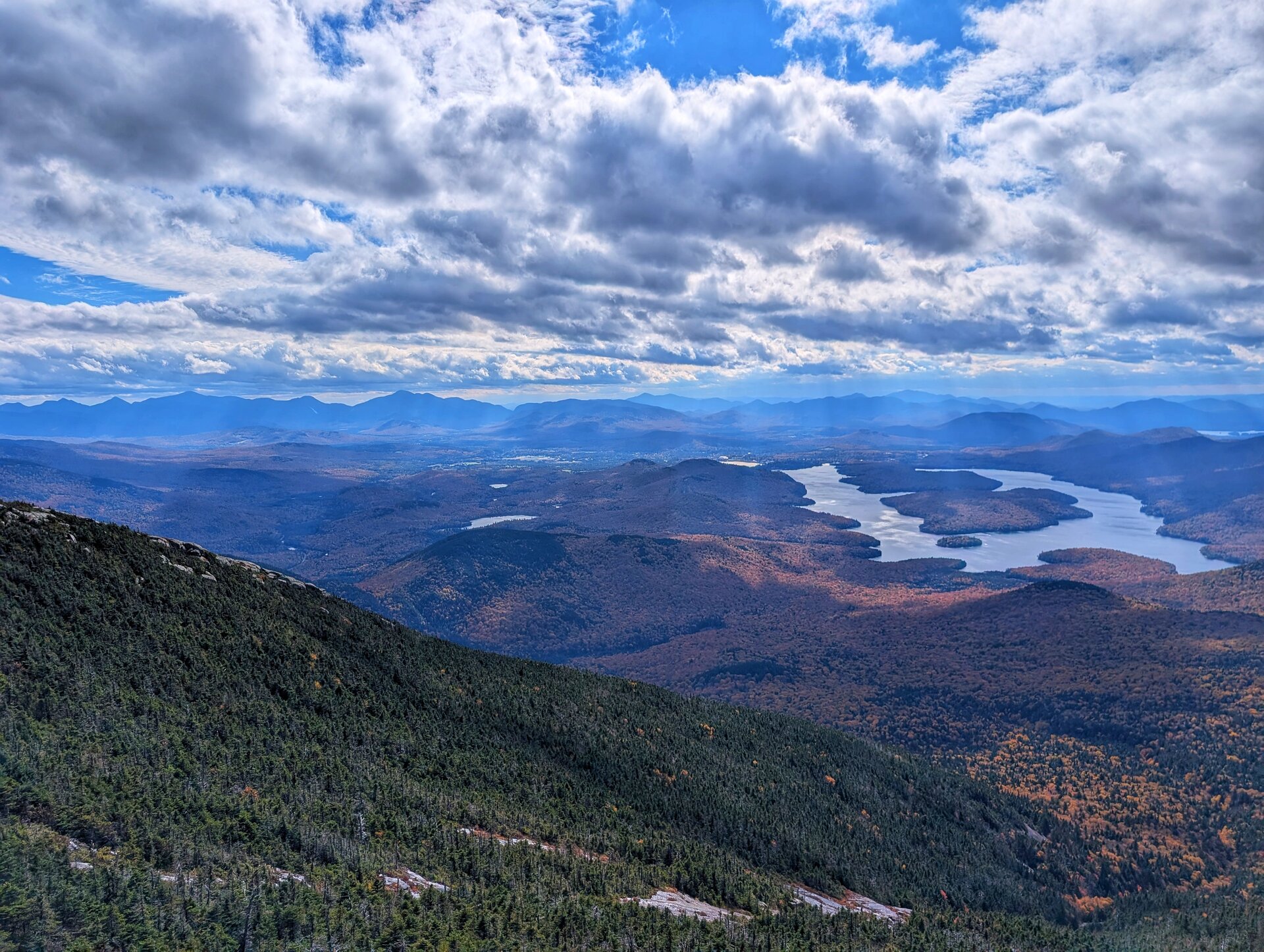
We reached the top, but the true reward of Mount Jo isn’t the crowded main summit. Just below it lies a hidden rocky ledge. We bushwhacked through the scrub to reach it, and suddenly, the world opened up. Looking down, we realized the canopy we had just climbed through was actually an explosive sea of reds, oranges, and golds.
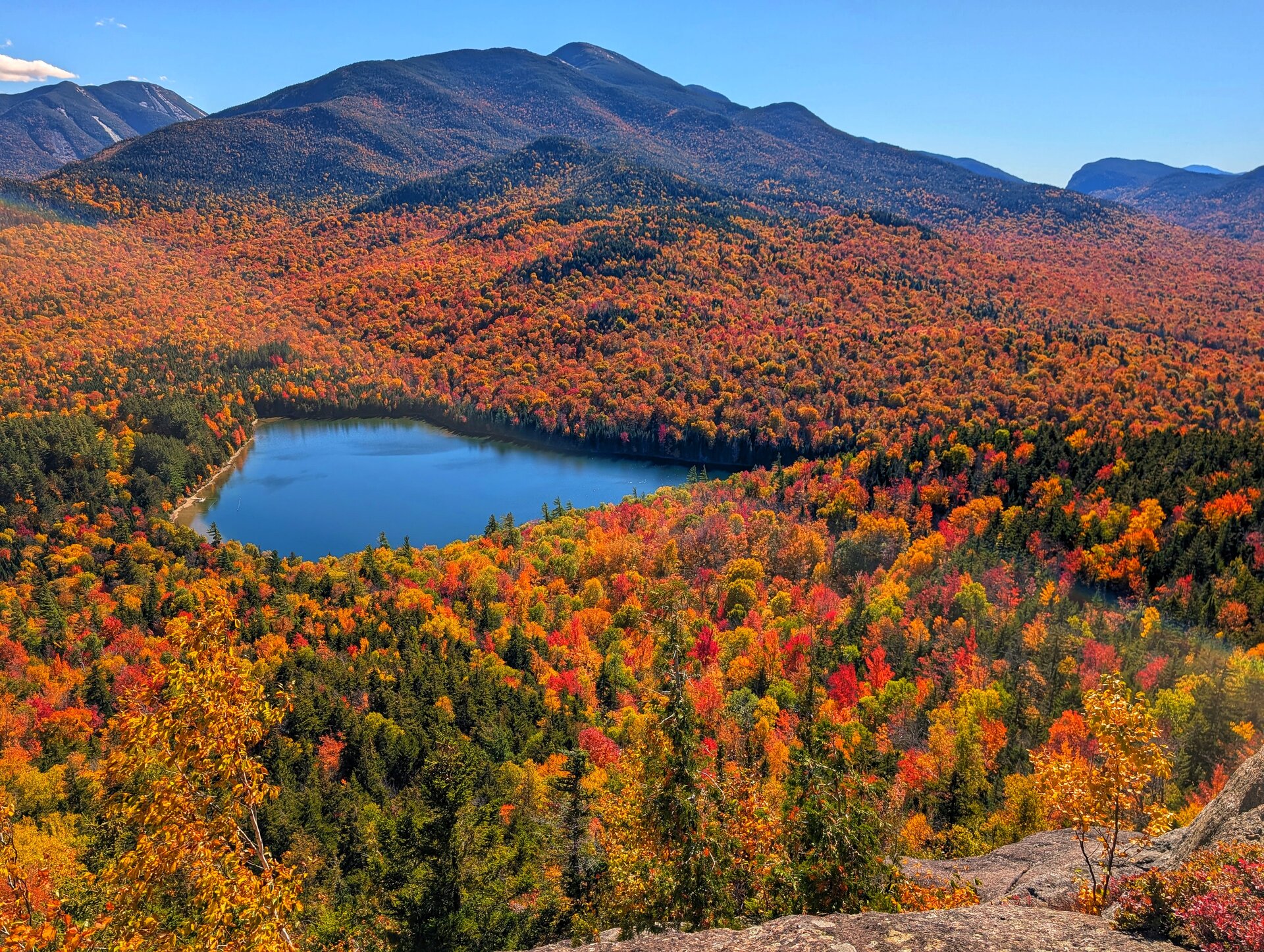
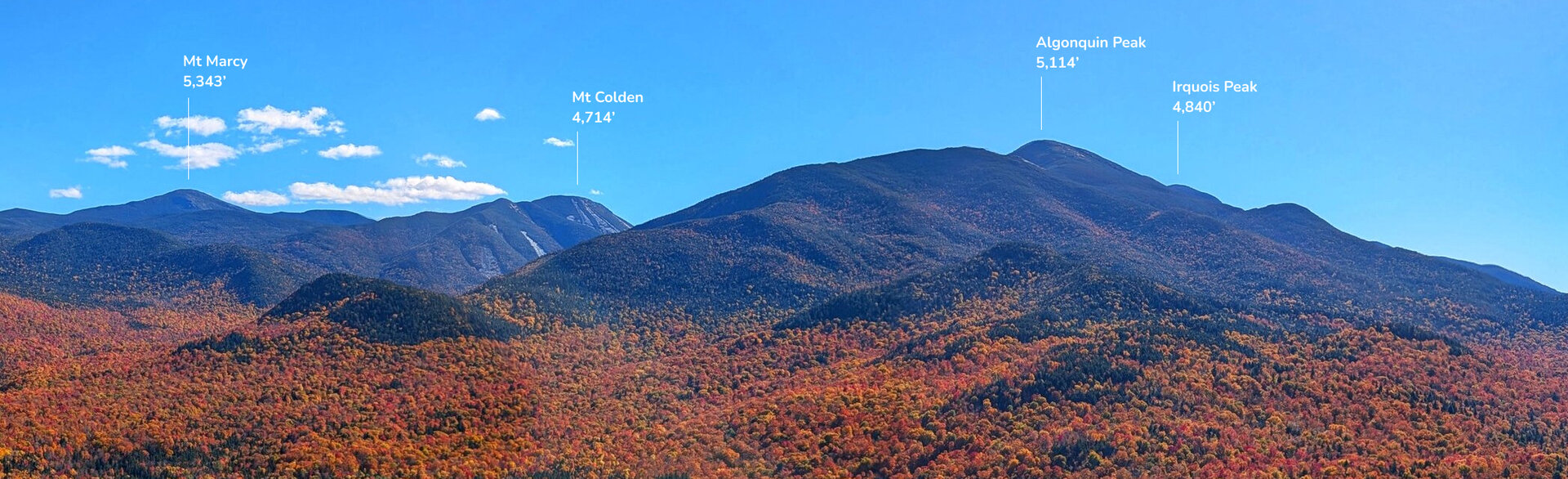
Rising out of that blazing valley was Algonquin Peak, massive and commanding, and right beside it was my first unobstructed view of Mount Marcy. There is a mesmerizing solemnity to Marcy - not only is it the highest point in New York, it also holds a heavy human history - it was on those slopes that Theodore Roosevelt received the news that President McKinley was dying, and that he had to rush to Buffalo to take the oath to become the 26th President of the United States.
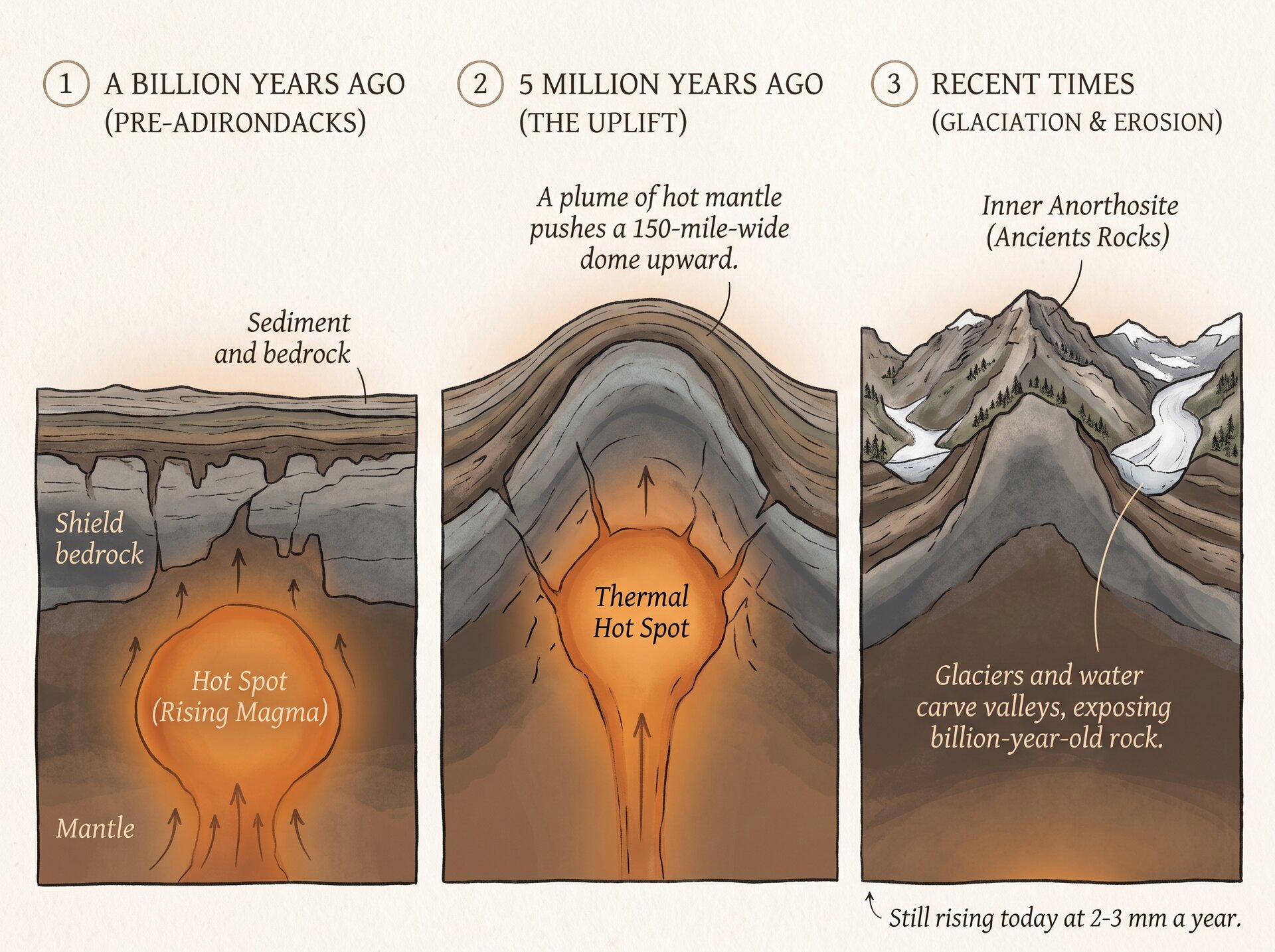
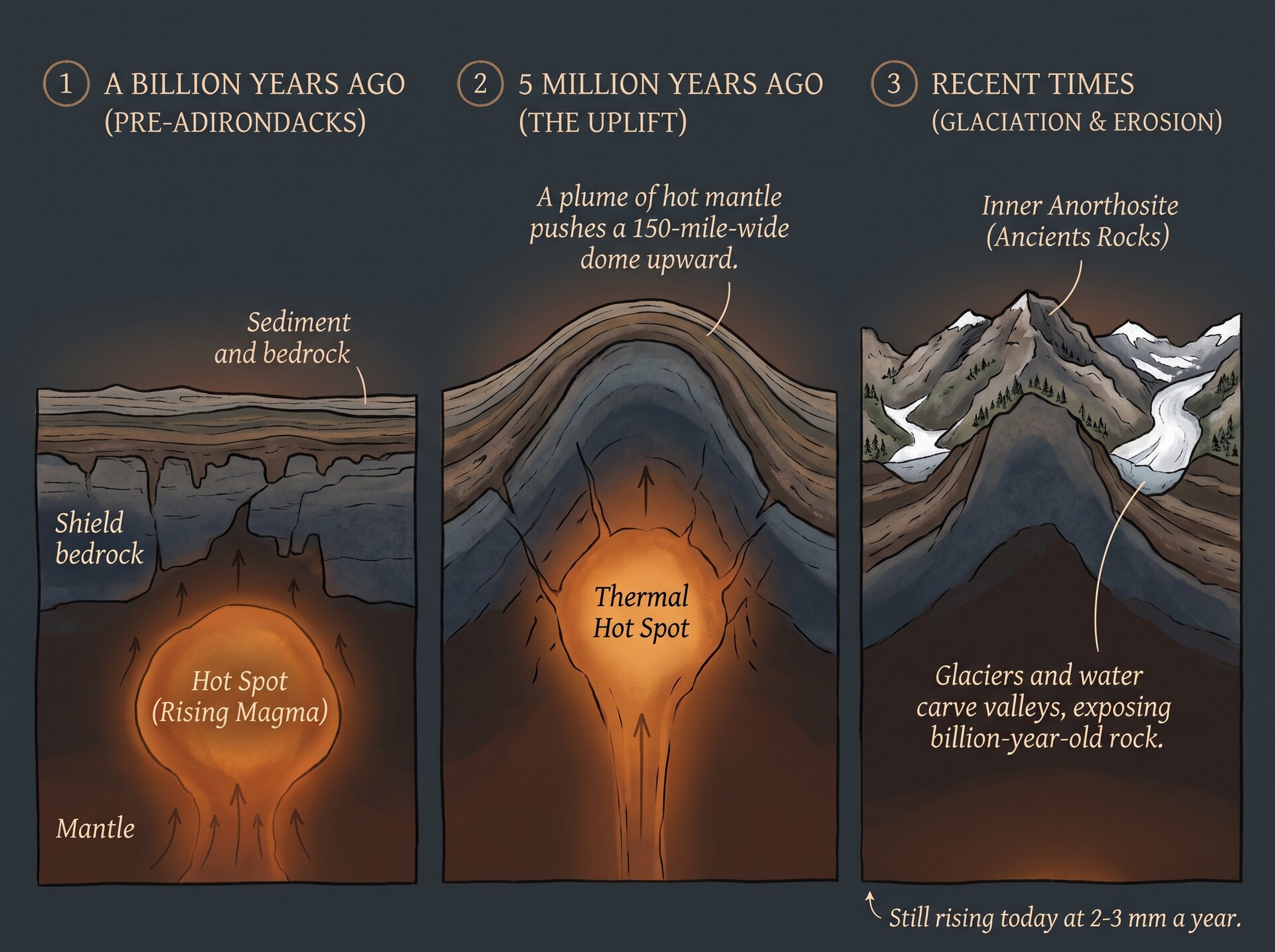
The mountains also have their own ongoing history. The Adirondacks are a geological paradox: new mountains made of old rocks. Driven by a thermal hot spot deep in the Earth’s mantle, this massive dome of ancient anorthosite rock is actively growing, still rising at a rate of 2 to 3 millimeters a year.
We spent a good hour on that secret ledge, basking in the sun and taking hundreds of photos of the High Peaks. Here’s a panorama for you to enjoy!
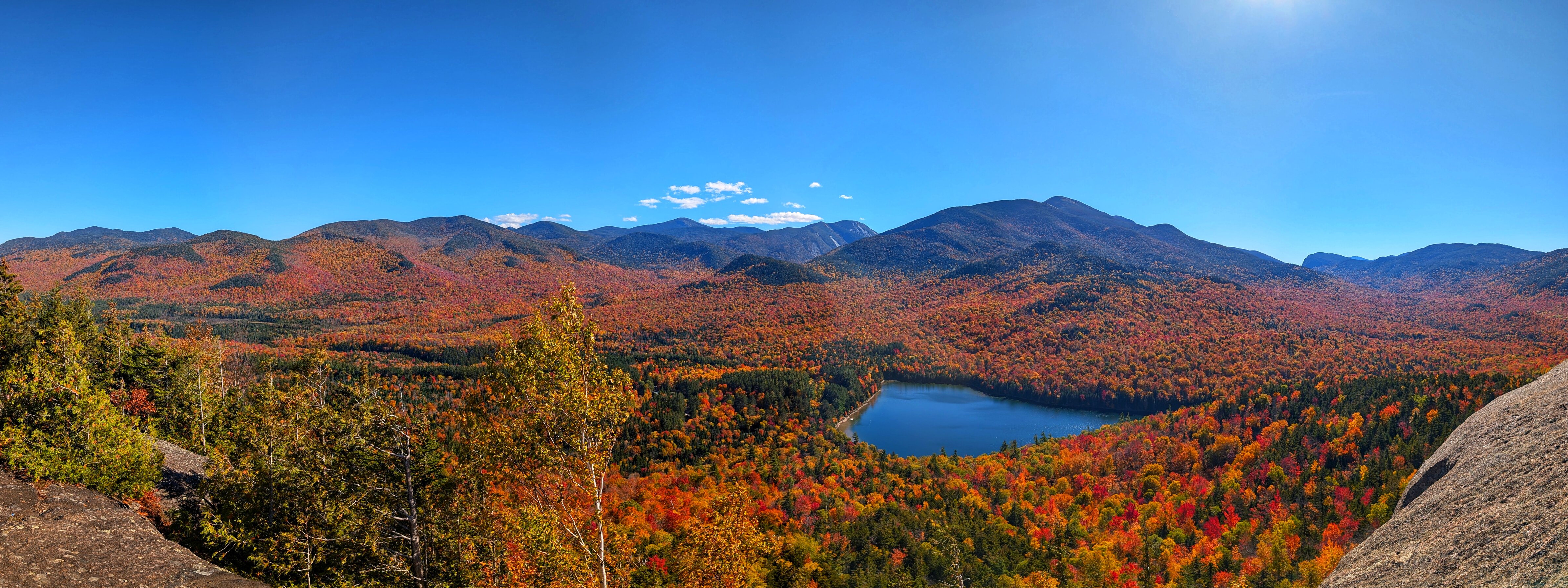
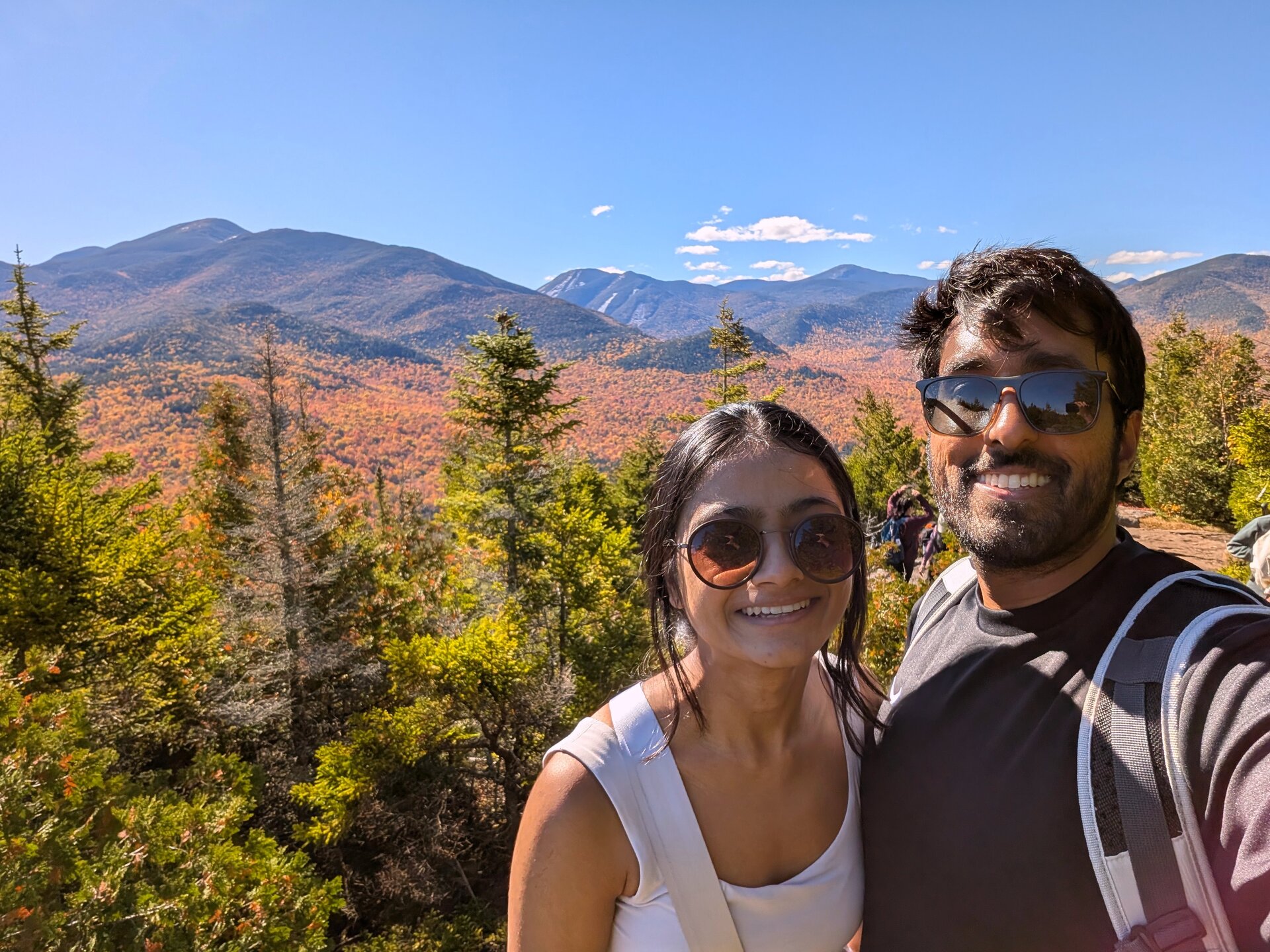
We took the easier Long Trail back down, which went fast, and spent the rest of the afternoon hanging out by the pristine water of Heart Lake. The trail was definitely busy, but it was worth it. All in all, we hiked about 7 miles (11 km) - about three on Mount Jo, and a couple of miles each way to and from our parking spot. Sore legs followed, but it was definitely worth it.
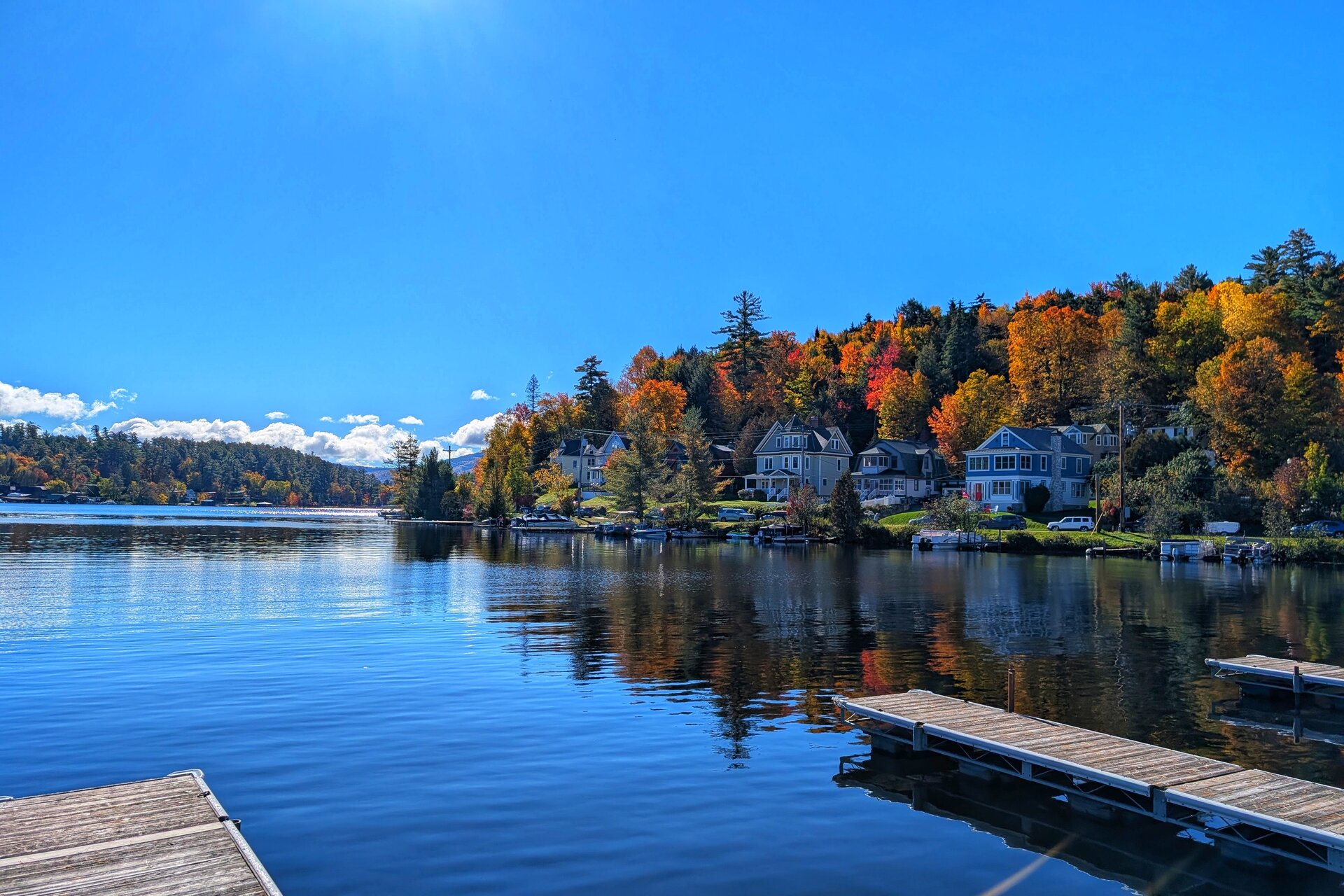
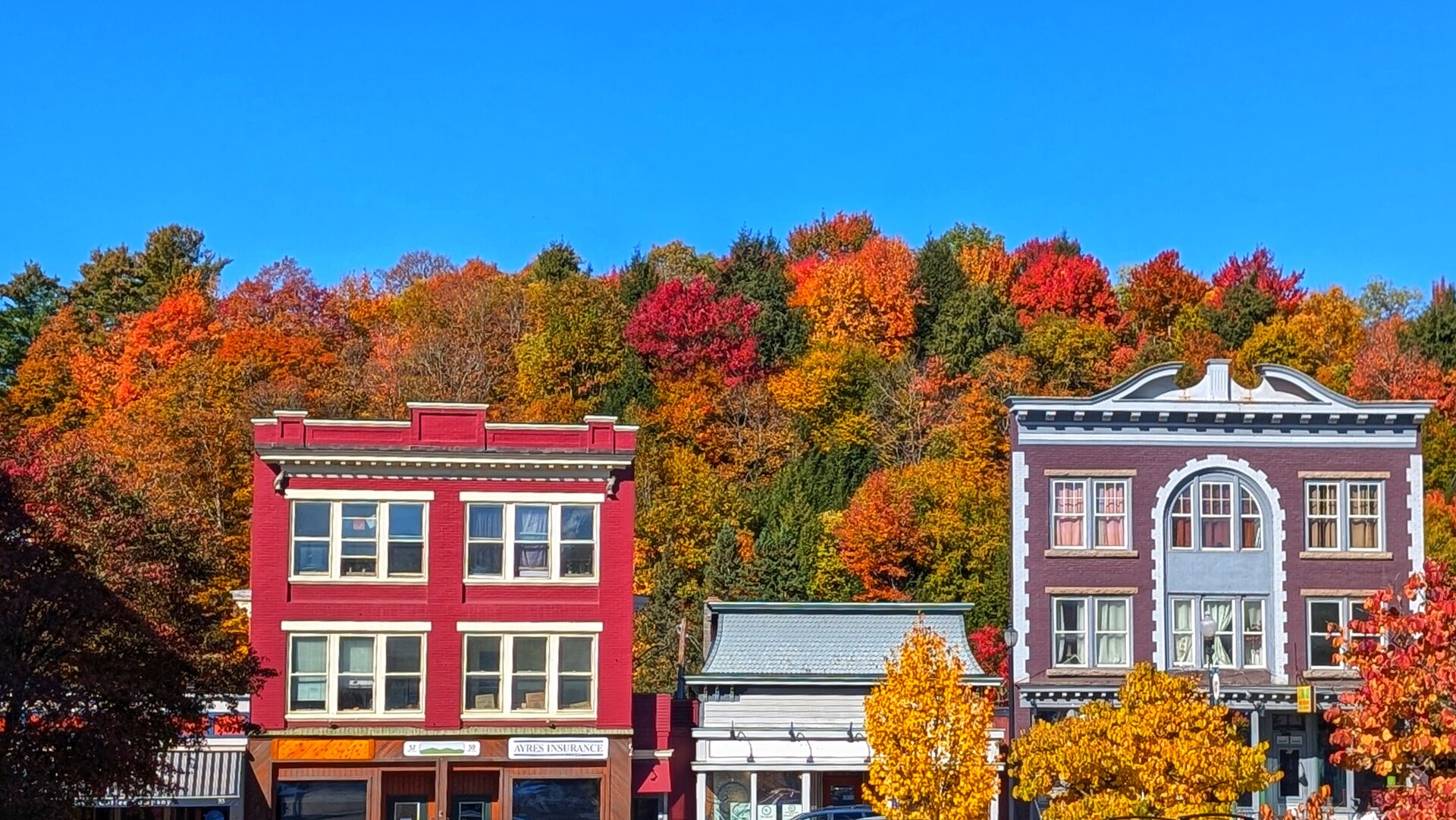
We spent a couple more days exploring Lake Placid and Saranac Lake, including a drive up the massive Whiteface Mountain.
Until next time!